
By Helena Strigård, CEO and Founder
November 12, 2026
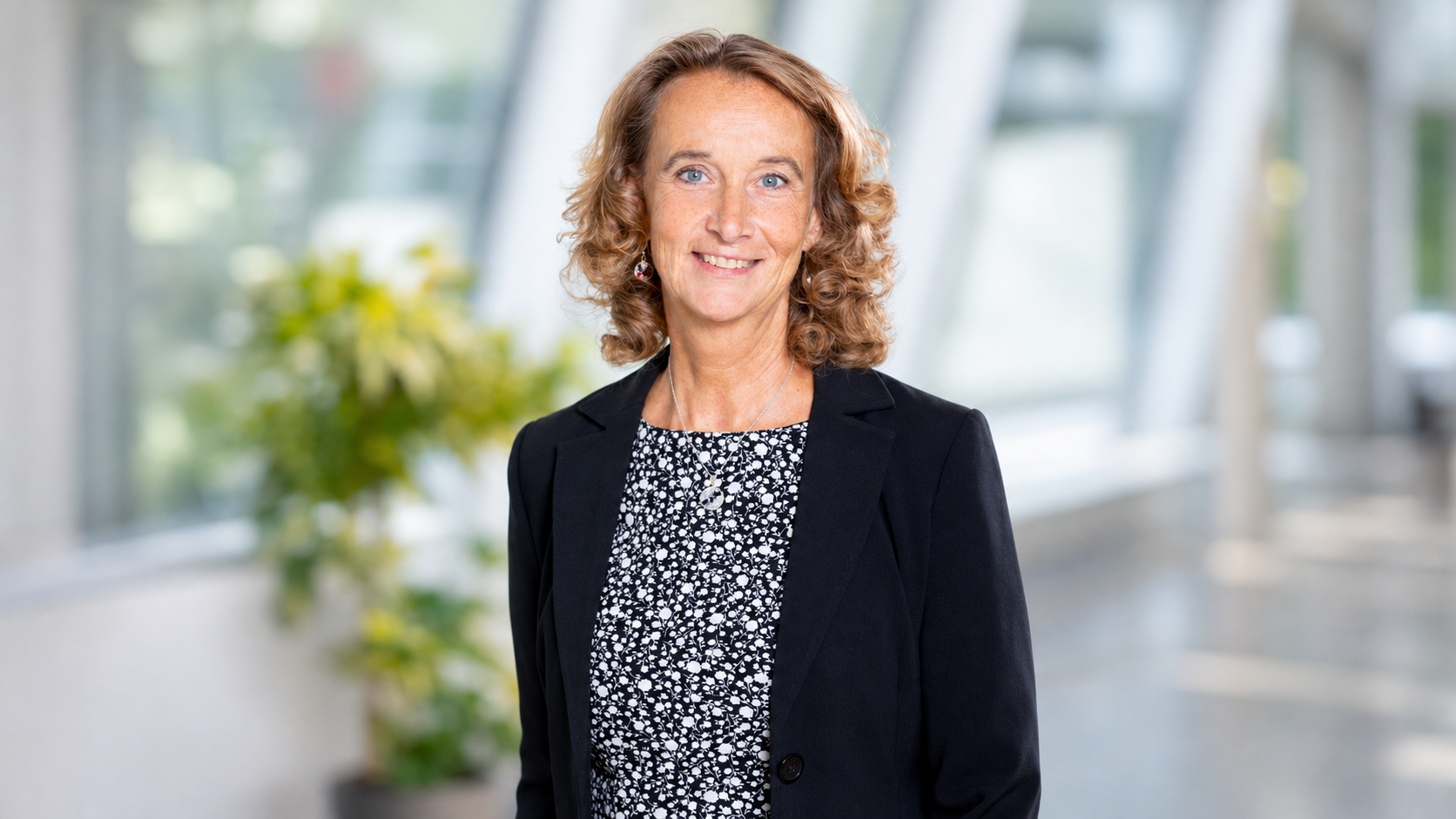
Anna Sandström, Executive Ventures Advisory Board Member, Science Policy and Relations Director Europe at AstraZeneca
Turning to Anna Sandström, joining Executive Ventures board of Directors along with Amy Arthur and Bita Sehat, our conversation inevitably takes a personal turn. Some +20 years back, this role model and force of nature took on a master thesis student to assist her on the mission to benchmark Swedish life science ecosystem internationally. Coming back to Anna now to ask her to help us steer Executive Ventures onto international waters means a great deal to me personally. But more importantly, Anna brings a unique combination of experiences to the board, understanding the entrepreneurial universe as well as the one of big corporations and the governmental context. All in a highly global framework.
1. Now, you must have seen some remarkable growth journeys during your multiple roles, but also some that did not work out. Would you care to share some thoughts on what was the difference between them.?
It’s true, I’ve seen seemingly viable ventures fail, while others defied the odds and succeeded. Some failed because of technological setbacks, or because they were too early, a first mover, without the muscle to build their case in an immature market – life science ventures are often high risk, but for some also high return.
Others failed because they couldn’t shift focus: they were unable to abandon the first idea and instead build a stepping stone, such as another service or product based on the initial platform. It takes a decisive yet inclusive kind of leadership to make the hard decisions and to build a team, internally or through partnerships, that can find a viable way forward.
2. What attracted you to Executive Ventures, and why did you decide to join the board?
Because it sits right where science, business and leadership meet – and that’s where a lot of the magic (and the challenges) happen.
The Nordics have plenty of brilliant life science companies, but great innovation alone doesn’t build a lasting business. You need the right leaders at the right time – people who can take a company from scientific promise to financing, partnerships, regulatory progress and international markets.
I like that Executive Ventures isn’t just another recruitment firm. It has a strong Nordic base, international networks, a clear life science focus and a technology-enabled approach – a different offer from both local recruiters and the big global search firms.
And getting to join early is a treat. At this stage it’s all about a clear purpose, sharp priorities and turning ambition into action – and I’m looking forward to bringing experience, perspective and a bit of constructive challenge.
3. What do you believe you bring to the board and to the development of Executive Ventures?
A view from several corners of the life science and innovation world.
I’ve worked in global industry, public policy, research and innovation, partnerships and boardrooms. That means I know what life inside a large life science company looks like, how new strategies are formed navigating among innovative start- and scaleups constantly changing the landscape of opportunities. I’ve also seen how a scientific idea has to turn into real decisions, capabilities and business strategy.
That matters because leadership needs are never generic. A research-heavy start-up needs something very different from a company heading into late-stage development or a big partnering deal. You have to understand the company’s situation before you define the profile.
I hope to contribute in three ways: by keeping Executive Ventures close to the realities of the sector, by adding an international and cross-sector perspective, and by being a constructive sounding board on strategy, partnerships and long-term value.
And I’ve learned that nobody has all the pieces on their own. Progress in life science comes from combining expertise across academia, industry, healthcare, investors and public actors – and good leadership works the same way. The right person is often the one who can connect the dots.
4. What is your view of the leadership challenge facing Nordic life science companies?
The Nordics have a strong knowledge base, talented researchers, good networks and a collaborative climate, which makes for a really good start-up environment. But as companies mature, they need to move from being science-led to being international businesses.
That shift calls for new skills: commercial teams, new markets, international capital and business insights, regulatory milestones, and more mature governance. The team that’s right for one phase isn’t necessarily right for the next.
That doesn’t mean swapping out founders or scientific leaders. Often, it’s about adding people with different experience and networks – and working out what the company really needs, rather than just hiring an impressive CV.
International experience matters more and more, too. A company can be Nordic by origin but operate globally from day one, so it needs leaders who know international markets.
That’s where Executive Ventures can make a difference: helping companies understand their leadership needs in light of their growth plans and then connecting them with people who can make it happen.
5. You’re known for working extremely hard and setting very high standards for delivery. What will you bring to the journey of Executive Ventures as a board member of a brand-new company?
Ambition only counts if you deliver. A great idea, a big network or a nice strategy isn’t enough – you need focus, quality and follow-through.
So I’ll bring high expectations, but a practical and supportive style. A board should challenge management and ask the tough questions but also help the team succeed. My job is to offer experience, perspective and constructive challenge where it helps.
Early on, it’s important to be clear about what matters most: building credibility, a strong delivery model, reference cases and a consistent client experience – while balancing growth with quality.
I hope to help build a culture of people who are ambitious, intellectually honest and committed to excellent execution. Excellence isn’t perfection in every detail – it’s knowing what matters, keeping high standards there and always improving.
Most of all, I’ll bring belief in the purpose. Helping life science companies find the leaders they need to grow and create value is worth working hard for.
6. You’ve spent much of your career building bridges between large and small companies, academia and public sector, i.e. very different organisations and cultures. Are you now “fluent” in the cultural language needed to connect relevant and complementary stakeholders?
I wouldn’t say I’m fluent in every cultural language – every organisation, sector and country has its own. But I’ve learned to listen carefully, understand what drives people, and not assume one way of working suits everyone.
A start-up, a university, a public agency, an investor and a big pharma company may all care about innovation, but they run on different time horizons, incentives and ideas of risk. Good collaboration starts with recognising that and finding common ground.
Small environments bring speed and flexibility; large organisations bring scale, specialist capabilities and governance. Neither is enough on its own. That’s also why I don’t see external and internal innovation as opposites: big companies need strong internal capabilities, but also need to engage openly with universities, start-ups, investors and healthcare. Outside ideas feed in; inside capabilities help evaluate and scale them.
The best partnerships aren’t built on enthusiasm alone. They need clarity on the problem, what each partner brings, how decisions get made and what success looks like – plus trust and transparency.
That ability to connect perspectives is highly relevant to Executive Ventures, which will help companies at different stages find leaders who can bridge science, business, partnerships and growth. In a way, the company itself needs to be fluent in the language of collaboration.
Closing statement
“Executive Ventures is being created because life science companies need more than a viable innovative idea on their journey: they need leadership that suits their stage of development and can connect innovation with execution, partnerships, capital and international growth.
I am pleased to contribute to a company with the ambition to support that journey. My hope is that Executive Ventures will become a trusted partner for companies that are developing important science and need the right leadership to translate that potential into sustainable growth and impact”- says Anna.