
Starting With the End in Mind
By Wendy Boakai, BD & Investment Associate
April 23, 2026
Exits take many forms and differ from company to company — but successful ventures start with the end in mind. The End Game seminar explores how life science companies can embed long-term thinking early on by shaping IP strategies and cap tables that support their ultimate goals.
The discussion brings together leading voices in the field: Josefine Persson (HealthCap), Gabor Illes (Hopkins Capital), and Niklas Mattsson (AWA), moderated by Bita Sehat (Trill Impact Ventures). Ahead of the event we gathered perspectives from two of our panelists, Niklas and Josefine, here are their key insights on the topic:
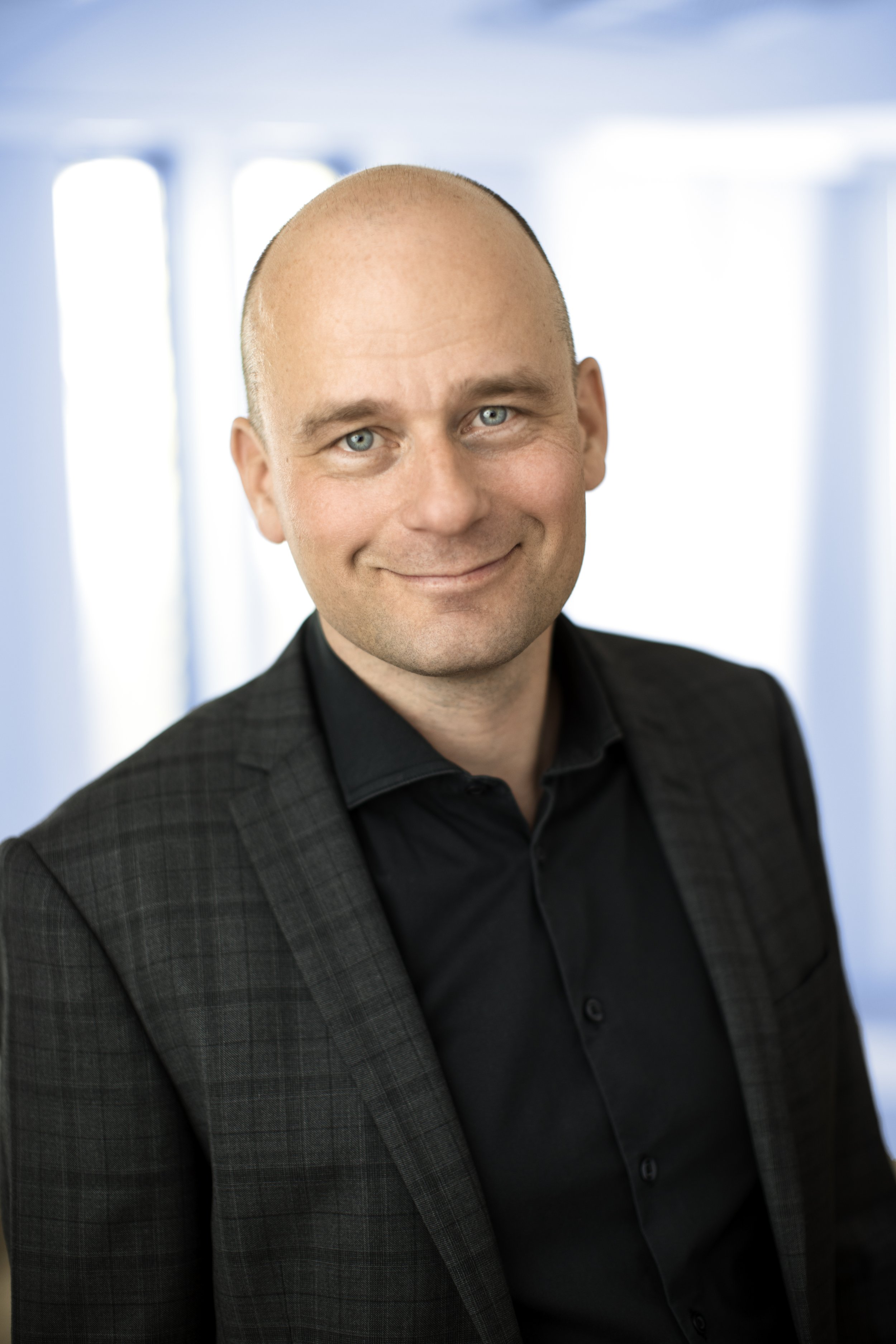
Niklas Mattsson
Niklas Mattsson is a European Patent Attorney and Partner at AWA specializing in life sciences. With extensive experience in drafting and prosecuting patents, as well as providing IP-related business advisory, Niklas brings deep expertise in IP strategy, particularly within the pharmaceutical industry.
Drawing on his experience, Niklas emphasizes the importance of not underinvesting in IP early on. From his perspective, initial IP decisions are not merely technical formalities, but critical building blocks that influence everything from future financing rounds to exit opportunities.
He cautions against a short-sighted approach driven by cost minimization: “we can't do that if every discussion has to be prefaced with ‘this should cost as little as possible’… we need to raise our eyes and look upon the future.”
A central theme in his perspective is the importance of building with the end in mind from day one. This starts with a clear understanding of the company’s core value proposition. As he puts it: “you should define your company and your projects and your products with the exit in mind.”
In this context, IP strategy should not be treated as a technical afterthought, but as a core driver of long-term value and exit potential. While this may seem straightforward, Niklas highlights that it is often difficult in practice. He stresses that different types of innovations, whether a platform, a single product, or an enabling technology, require fundamentally different protection strategies. These decisions shape how the company can be commercialized, influencing licensing models, deal structures, and ultimately how value is captured over time.
Another key insight is the importance of taking an international perspective from the outset. While many Nordic companies are built within strong local ecosystems, their endgame is almost always global, often involving international investors, partners, or entry into the US market. This means that both IP strategy and company structure must be designed to withstand not just local conditions, but global competition.
Ultimately, Niklas’ message is clear: IP strategy must be intentional, commercially grounded, and globally oriented to support sustainable growth and successful exits.
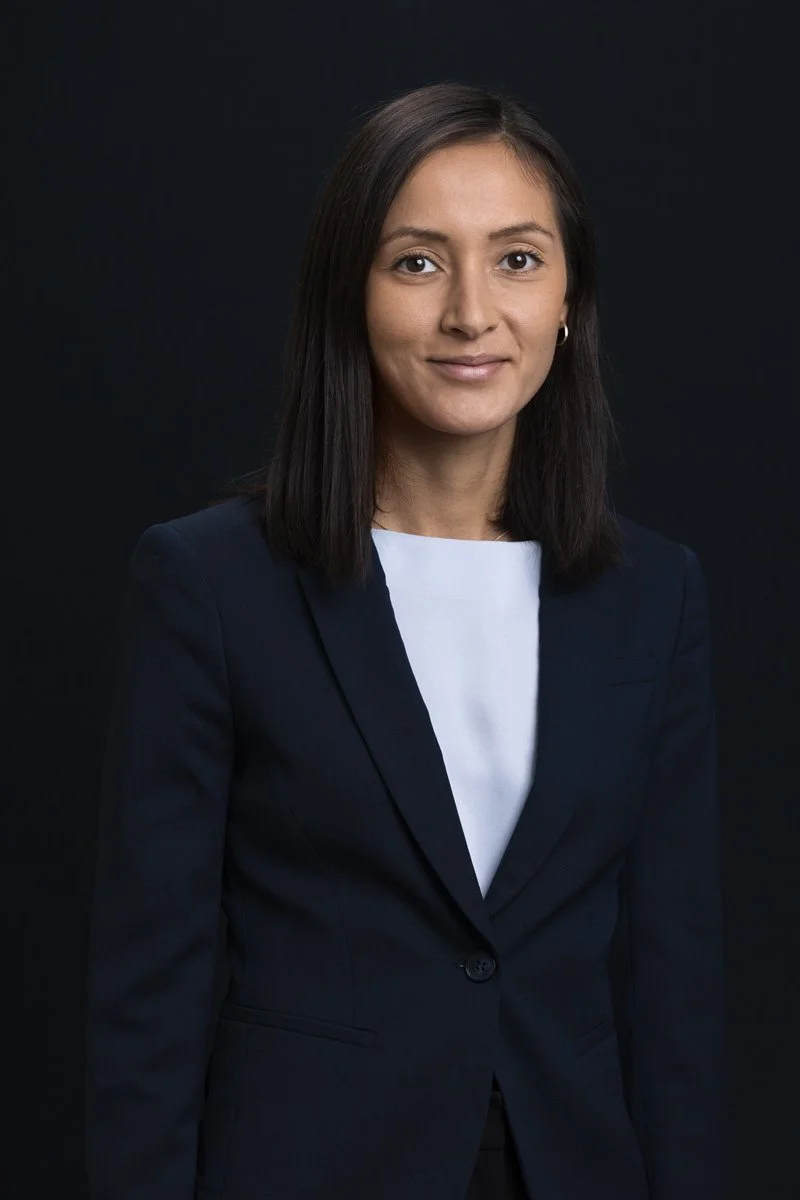
Josefine Persson
Josefine Persson, Associate at HealthCap, will bring a valuable perspective from the investment landscape to the discussion. Prior to joining HealthCap in 2023, she worked as an equity research analyst at Nordea, specializing in publicly listed Swedish life science tools companies. She also has experience in management consulting and has held roles at life science companies in both Stockholm and Amsterdam.
Drawing to the theme of the event, Josefine offers a nuanced view on exits, highlighting that they are far from a single, uniform outcome. Instead, exit pathways today are becoming increasingly diverse and creative, requiring for a strategic thinking from an early stage. Josefine also points out that from an investor’s perspective, exits are how value is realized, while for founders, they are often about timing what is best for the company’s continued growth and success.
“There are great examples of individuals who have made good founders exits. They take the company to a point where they know: ‘I could do more, but it’s better if someone else takes over.’ They know exactly how long they should stay and then find someone who can run it better, someone who can take it commercially” she explained.
At the same time, Josefine highlights a common gap she observes in early-stage, research-driven companies – a lack of clarity around the end goal: “Scientists may not always think about what the company’s exit should be in the end; they’re focused on building where they are.”
While this focus on innovation is essential, she underscores the importance of integrating exit thinking early, to ensure that strategic decisions align with long-term value creation.
Related to IP strategies, Josefine highlights the critical trade-off between speed and protection, particularly in MedTech and software-driven companies. There is a common misconception that speed to market outweighs the need for a robust IP strategy. While moving quickly can provide a competitive advantage, she cautions against neglecting long-term defensibility.
Her perspective is that IP does not always need to rely on traditional patents, but it must be guided by a clear and intentional strategy around how and when to protect key assets.

Bita Sehat
Bita Sehat Partner at Trill Impact, advising on life science investments within Ventures, brings an investor perspective that connects the themes raised by both Niklas and Josefine. With experience in venture capital and scaling companies across international markets, she focuses on how early decisions shape long-term outcomes.
From her perspective, many of the challenges highlighted, including unclear positioning, fragmented ownership, and complex exit pathways, are shaped as much by how companies are built from the outset as by how they are executed later on. Early decisions around strategy, positioning, and capital structure do not just influence a company’s trajectory, but also how it is perceived by international investors and potential acquirers.
Bita emphasizes that both capital and exits are inherently global. This places greater importance on building companies that are legible and relevant beyond their local ecosystem and aligned with how the broader life science system operates.
As moderator, she will guide the discussion by connecting these perspectives and challenging assumptions, with a focus on what it takes to build companies that are not only innovative, but also investable and positioned for successful exits.