
From Biomarkers to Breakthroughs: Advancing Disease-ModifyingTherapies in Type 1 Diabetes
By Helena Strigård
December 17, 2025
For decades, insulin replacement has been the cornerstone of Type 1 Diabetes management. It remains life-saving and indispensable, yet it only treats the symptoms of a deeper problem — the autoimmune destruction of insulin-producing beta cells. Across research institutions, clinical programs, and biotechnology partnerships, a new movement is emerging to change that reality by developing therapies that slow or even halt disease progression.
At the intersection of science, care, and advocacy are two voices shaping this transformation: Dr. Joshua Vieth, Senior Director of Research at Breakthrough T1D, and Becky Sulik, Director of Education at the Rocky Mountain Diabetes Center. Together, they represent both sides of progress: the scientific pursuit of disease-modifying therapies and the lived experience that underscores their importance.
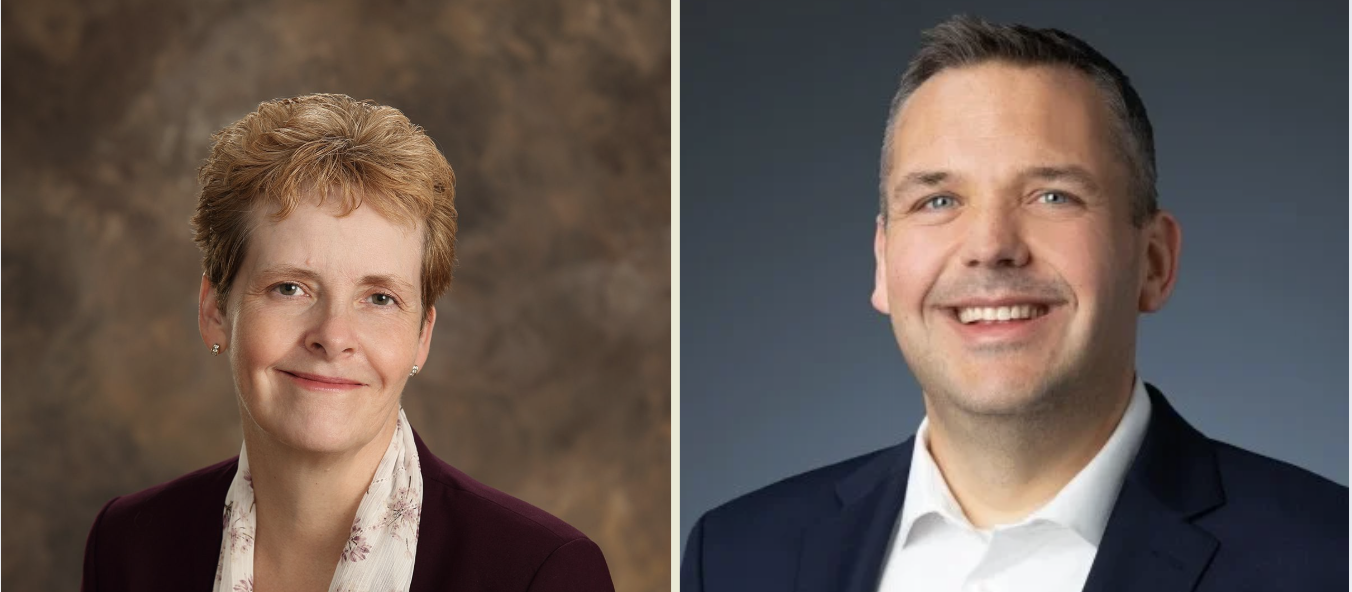
Becky Sulik, Director of Education at the Rocky Mountain Diabetes Center, and Dr. Joshua Vieth, Senior Director of Research at Breakthrough T1D.
Beyond Insulin Replacement
Breakthrough T1D, formerly known as JDRF, is the world’s leading Type 1 Diabetes research and advocacy organization. Its mission is to accelerate life-changing breakthroughs to cure, prevent, and treat Type 1 Diabetes and its complications. The organization has become a catalyst for precision medicine and regulatory innovation. By supporting biomarker development, improving trial design and fostering industry partnerships, Breakthrough T1D helps move therapies from concept to clinic.
“While insulin therapy has revolutionized survival; it cannot replicate the body’s own dynamic control of glucose,” says Dr. Vieth. “Our goal is to move beyond symptom management and toward treatments that preserve or restore endogenous insulin production.”
That focus has driven Breakthrough T1D to highlight C-peptide as a critical biomarker of beta cell function. C-peptide, produced in equal amounts with insulin, provides a direct measurement of how much natural insulin a person’s body still makes. Higher C-peptide levels have been consistently associated with improved clinical outcomes. These include fewer hypoglycemic events, better long-term glucose control, and lower risk of complications.
Validating C-Peptide as a Surrogate Endpoint
In collaboration with the Critical Path Institute’s Trial Outcome Marker Initiative (TOMI), Breakthrough T1D is building the evidence needed to establish C-peptide as a surrogate endpoint in clinical trials. Achieving this designation would represent a critical regulatory milestone and could accelerate approval of pathways for disease-modifying therapies.
“Using C-peptide as a validated surrogate endpoint would allow shorter and more efficient trials,” Dr. Vieth explains. “It could fundamentally change the economics and speed of therapeutic development.”
Precision Medicine in Action: The Diamyd Medical Partnership
One promising program supported by Breakthrough T1D’s Industry Discovery and Development Partnership (IDDP) is Diamyd Medical’s DIAGNODE-3 trial. Diamyd Medical is developing a precision immunotherapy targeting GAD65, an antigen involved in the autoimmune response that destroys pancreatic beta cells. The therapy is designed to retrain the immune system, protecting the patient’s own insulin-producing cells.
The Phase 3 DIAGNODE-3 study builds on earlier clinical evidence suggesting that this targeted therapy may preserve C-peptide levels in people recently diagnosed with Type 1 Diabetes. If successful, it would represent the first antigen-specific treatment confirmed in a registrational trial to modify the course of the disease. Breakthrough T1D has awarded Diamyd Medical USD 6.75 million in funding to support this pivotal research.
Education as a Cornerstone of Clinical Impact
While the science evolves, patient education remains critical. Becky Sulik, a registered dietitian and certified diabetes care and education specialist, has spent decades helping newly diagnosed patients and families navigate life with Type 1 Diabetes. Her professional path began with her own diagnosis as a teenager, an experience that gave her unique insight into what research success means in everyday life.
“Even small amounts of preserved insulin make a huge difference,” Sulik explains. “During the early months after diagnosis, when the body still makes some insulin, glucose levels are easier to manage, and life is less unpredictable. Preserving that function is life-changing.”
Her experience mirrors the rationale behind modern disease-modifying strategies: the aim is not only to extend life but also to enhance quality of life. This approach prioritizes reducing glucose variability, lowering mental burden, and protecting long-term organ health.
Aligning Stakeholders for Impact
The collaboration between Breakthrough T1D, Diamyd Medical, and clinical educators like Sulik highlights how patient experience, research evidence, and industrial capability must converge to deliver transformative therapies. Investors and policymakers are beginning to recognize that accelerating progress in Type 1 Diabetes requires both scientific validation and patient-centered perspectives.
The regulatory acceptance of surrogate endpoints such as C-peptide could have major implications for the biotech sector: it would create opportunities for targeted immunotherapies, biomarker-driven trial design, and adaptive regulatory pathways. As a result, these advances are expected to reduce clinical costs and timelines while increasing the precision of treatment effects.
A Future Redefined by Preservation
As the boundaries between care, research, and advocacy blur, a unified vision is taking shape — one focused on preserving beta cell function as the foundation for future cures. For professionals and investors, the value proposition is clear: therapies that delay or prevent beta cell destruction can shift the entire disease landscape from reactive management to proactive preservation.
For patients like Becky Sulik, the impact is personal and immediate. “If I could have my honeymoon period back, even partly, it would make such a difference,” she says.
Her words capture the essence of a movement that blends data with humanity. The next generation of Type 1 Diabetes therapy will not only measure success in lab values but in the lived stability and freedom of millions of people worldwide.